


The buzz around artificial intelligence has been getting louder for years. But 2026? It’s different. This year feels like a turning point—less talking, more doing. A lot of companies have spent the last few years exploring AI, testing ideas, and waiting for the right moment to act. That moment is here.
In 2026, businesses are moving fast. They’re not asking “What is AI?” anymore. They’re asking, “Where can I plug it in today?” And a big part of that push is driven by something called agentic AI.
It’s not just a new label. It’s a shift in how companies approach automation, decision-making, and productivity. And if you’re not in the loop yet, now’s the time to get serious.
So What’s Agentic AI, Really?
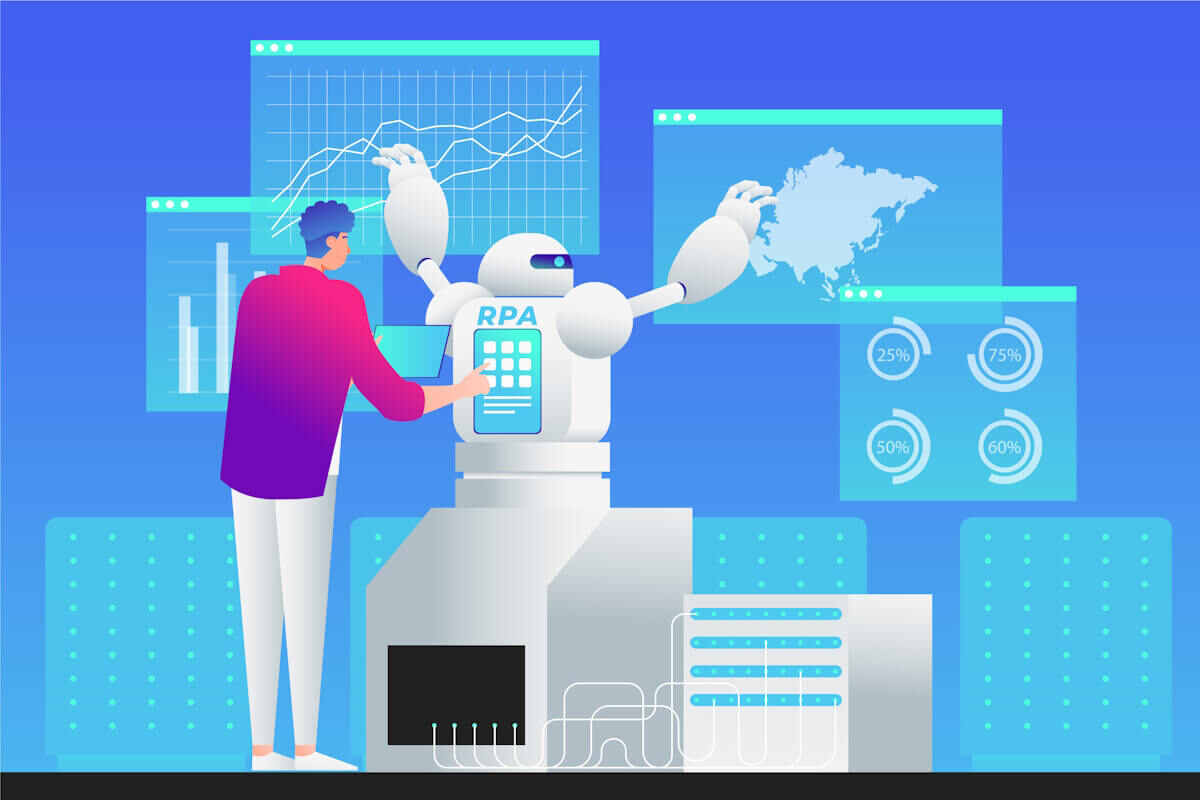
Let’s skip the fancy talk. Agentic AI refers to systems that can make decisions, take actions, and complete tasks with very little human help. Think of it like hiring a digital team member who doesn’t sleep, doesn’t need breaks, and doesn’t mess around.
These agents aren’t just answering questions. They’re running processes, reaching out to customers, booking meetings, writing reports, analyzing data, and even triggering workflows in other software.
They’re not perfect—but they’re getting better every day. And companies that wait too long might fall behind fast.
Why 2026 Is Different
There’s a reason why this year feels like a push year. A few things came together to make it the right time to stop planning and start building.
1. The Tools Are Ready
A lot of businesses used to say they were waiting for the tech to “mature.” Guess what? It’s there. Platforms are stable. APIs are clean. Costs are dropping. You don’t need to build everything from scratch anymore. You can use an existing AI development service to get up and running quickly, without hiring a huge in-house team.
2. Real Use Cases Are Everywhere
This isn’t about chasing hype anymore. Businesses have actual problems being solved by agentic systems. Logistics companies are using AI to route deliveries more efficiently. Law firms are automating document review. Retailers are using agents to handle product returns, customer inquiries, and stock management.
If you haven’t seen an example in your industry yet, you’re probably not looking hard enough.
3. Cost Pressures Are Real
Let’s face it—economic pressure is pushing companies to do more with less. Agentic AI is being used to cut costs without cutting corners. You don’t need to replace your whole team. But you can free people up from low-value tasks, let them focus on higher-impact work, and automate the stuff no one wants to do anyway.
What Businesses Are Actually Doing with Agentic AI
Here’s where things get interesting. It’s not just about big tech companies anymore. Small and mid-sized businesses are getting in the game too. With a good ai development service, even a five-person company can build and deploy smart tools to save time and money.
Some real-world examples from what companies are actually building in 2026:
- Customer Support Agents: Not just chatbots. These are fully functional helpers that understand the context, pull customer data, and handle entire conversations.
- Finance Automation: Tools that track invoices, send reminders, flag anomalies, and prep financial summaries.
- Sales Assistants: AI agents that do outreach, follow up with leads, log activity in CRMs, and qualify potential clients before a human steps in.
- Employee Onboarding: Systems that guide new hires, answer HR questions, and trigger IT setups without needing a human manager to check every box.
These aren’t pie-in-the-sky ideas. They’re being built and deployed right now. And behind most of them is a dedicated team offering an ai development service tailored to the business’s needs.
What You Need to Start
A lot of business owners still think AI is too technical or expensive. Truth is, you don’t need a PhD to start using it. You just need clarity on what problem you want to solve and the right people to help you build it.
That’s where services like an AI Hiring Platform come in. These platforms take the guesswork out of assembling a development team. You don’t have to spend months recruiting, interviewing, and second-guessing your hires. You just define your need, and they match you with engineers who’ve already built similar stuff.
If you’ve been waiting for the “perfect time” to get started, this is it. You don’t have to hire a massive in-house team either. You can just hire AI developers on a project basis, test a few ideas, and scale only when you see results.
Don’t Build Everything. Build the Right Thing.
Here’s one mistake a lot of businesses make: they try to build everything all at once. It’s tempting, especially when you start seeing what agentic systems can do. But the smart move is to pick one clear use case—something that’ll actually save time or make money—and start there.
Ask yourself:
- What’s the most repetitive task in our team?
- What’s the most common delay in our customer experience?
- Where do mistakes keep happening that cost us money?
Once you know the answer, that’s your starting point.
Then, talk to a team offering ai development service and build something small. Prove it works. Prove it saves time. Then expand.
AI is Only as Good as the People Behind It
This needs to be said. AI systems don’t run on autopilot. You need people who understand your business, your goals, and how to map those to smart tools. You can’t just plug in a model and expect magic.
That’s why who you work with matters.
Using a solid AI Hiring Platform helps you skip the early pain of hunting for talent. You get connected with developers who’ve been around the block, who know how to avoid common pitfalls, and who actually listen.
Don’t fall for hype. Work with people who know how to deliver results—not just cool demos.
What to Watch for in 2026
This year is going to be fast-moving. New tools are launching almost every month. Regulations are also catching up. Companies need to be smart about how they handle data, automate decisions, and avoid cutting corners.
A few trends that are worth keeping an eye on:
- Smaller AI Models: Not every business needs a giant system. Smaller, focused models that run on your own servers are getting easier to use.
- Multi-agent Collaboration: It’s not just about one AI doing one thing. You can now build multiple agents that talk to each other and handle bigger workflows.
- Security Concerns: The more decisions AI makes, the more security matters. Expect more conversations about how to audit and track AI actions.
- No-Code AI Tools: Tools are being built for non-technical teams. So even people in HR, marketing, or sales can spin up agents without knowing how to code.
These trends make it even easier to get started—but they also raise the stakes. If your competitors are already running with this stuff and you’re still planning, that gap’s going to widen quickly.
What Should You Do Now?
Here’s the bottom line: 2026 is not the year to sit on the sidelines.
If you’re running a business or leading a team, now’s the time to get serious about AI. Not in a vague, future-thinking kind of way. In a real, let ’s-build-something-useful kind of way.
Start by identifying one pain point. Then explore your options. Whether you go with a custom AI development service, sign up on an AI Hiring Platform, or just hire AI developers for a pilot project—you’ve got choices.
Just don’t wait around too long.
Still Thinking? Start Small. But Start Now.
You don’t have to commit to some massive AI overhaul. But ignoring this shift completely? That’s risky.
The tools are available. The talent is out there. And the value is real.
Start with something simple. Track the results. Then build from there.
That’s how businesses win in 2026.
