


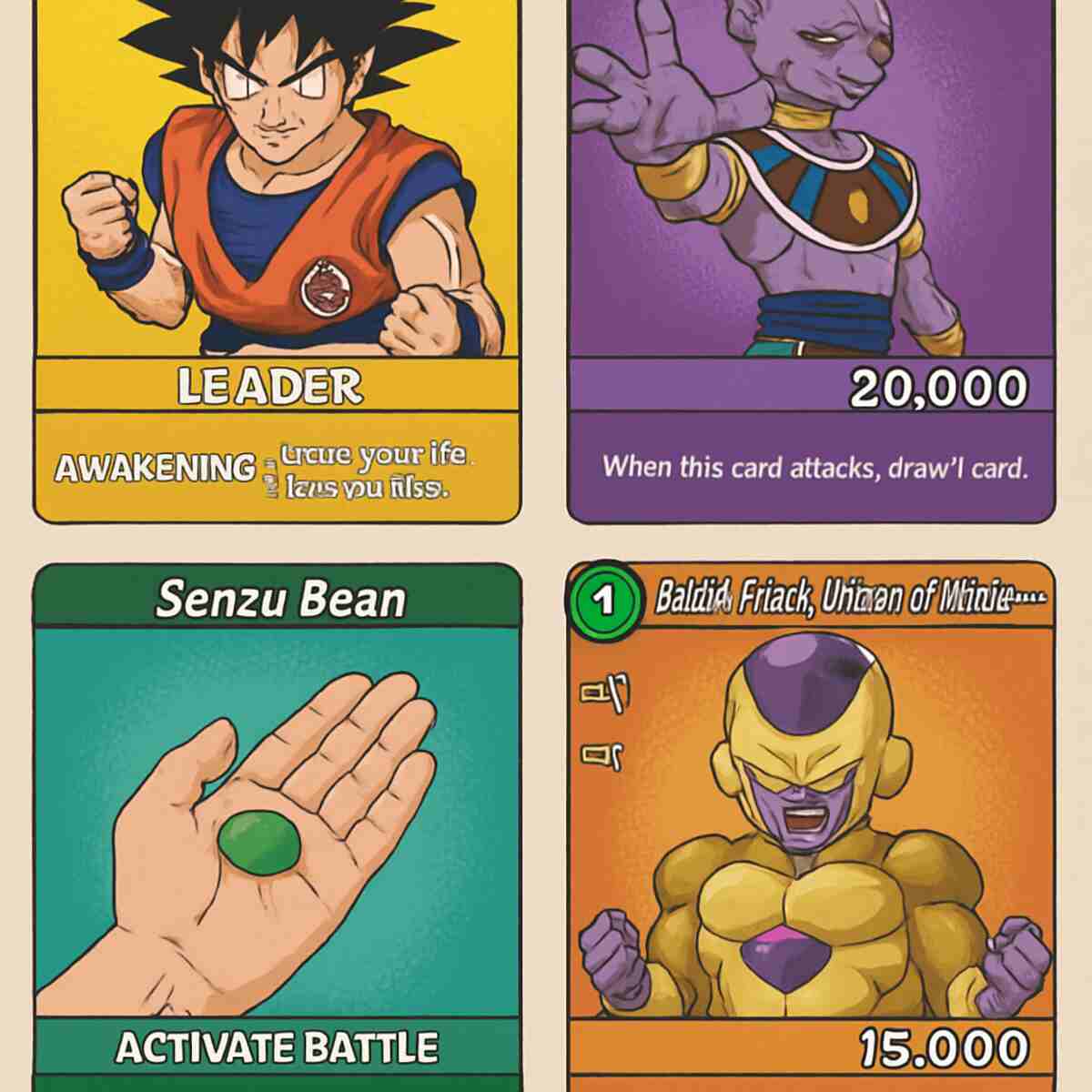
Welcome to the intricate world of DBG (Deck-Building Game) games, a captivating genre that merges strategic card play with board game mechanics. This guide is crafted to demystify the complexities of DBG games, providing an in-depth exploration suitable for beginners eager to delve into this fascinating realm. Whether you’re a novice or someone seeking to refine your understanding, this guide will equip you with the foundational knowledge and practical insights necessary to immerse yourself in the world of DBG games. Check out tenbuckgifts.com to know more
Deck-building games are a subgenre of card games where players strategically construct their decks during the course of the game, as opposed to pre-constructed decks in traditional card games. This dynamic aspect adds layers of strategy and replayability, making each session unique and engaging.
Origins and Evolution
The concept of deck-building was popularized by the game “Dominion,” released in 2008, which laid the foundation for many successors in the genre. Dominion introduced the revolutionary idea of purchasing cards from a shared pool to enhance one’s deck, creating a new strategic element that has since been a hallmark of DBG games. Its success inspired a wave of innovation, leading to a rich and diverse array of games that continue to expand the genre.
As the genre evolved, developers experimented with various themes and mechanics, incorporating elements from other game types to enrich the player experience. Today, DBG games can range from epic fantasy adventures to intricate historical simulations, each offering a distinct flavor while maintaining the core deck-building mechanics.
The influence of DBG games extends beyond their own genre, as elements of deck-building have been integrated into other game types, such as role-playing and strategy games. This cross-pollination has further expanded the appeal and versatility of DBG mechanics.
Core Mechanics
At the heart of DBG games is the cycle of acquiring, drawing, and playing cards. Players start with a limited, often weak set of cards, and through strategic decisions, they acquire new, more powerful cards to enhance their decks. This iterative process is central to gaining an advantage over opponents.
Card Acquisition: In DBG games, acquiring cards is a critical aspect that requires careful planning. Players must decide when to invest in powerful cards versus when to opt for cards that complement their existing deck strategy. The timing of acquisitions can often be the difference between a narrow loss and a sweeping victory.
Deck Management: Managing the balance of your deck is crucial. As you acquire cards, it’s important to ensure that your deck remains efficient and effective. Overloading your deck with too many cards can dilute the chances of drawing your most impactful cards, whereas a lean deck can allow for more consistent and powerful turns.
Resource Management: Efficient use of resources is paramount in DBG games. Each turn presents opportunities to maximize the output from your cards, requiring you to carefully choose which resources to prioritize. Whether it’s generating currency to buy new cards or strategically using action points, resource management is a key skill to master.
Getting Started with DBG Games
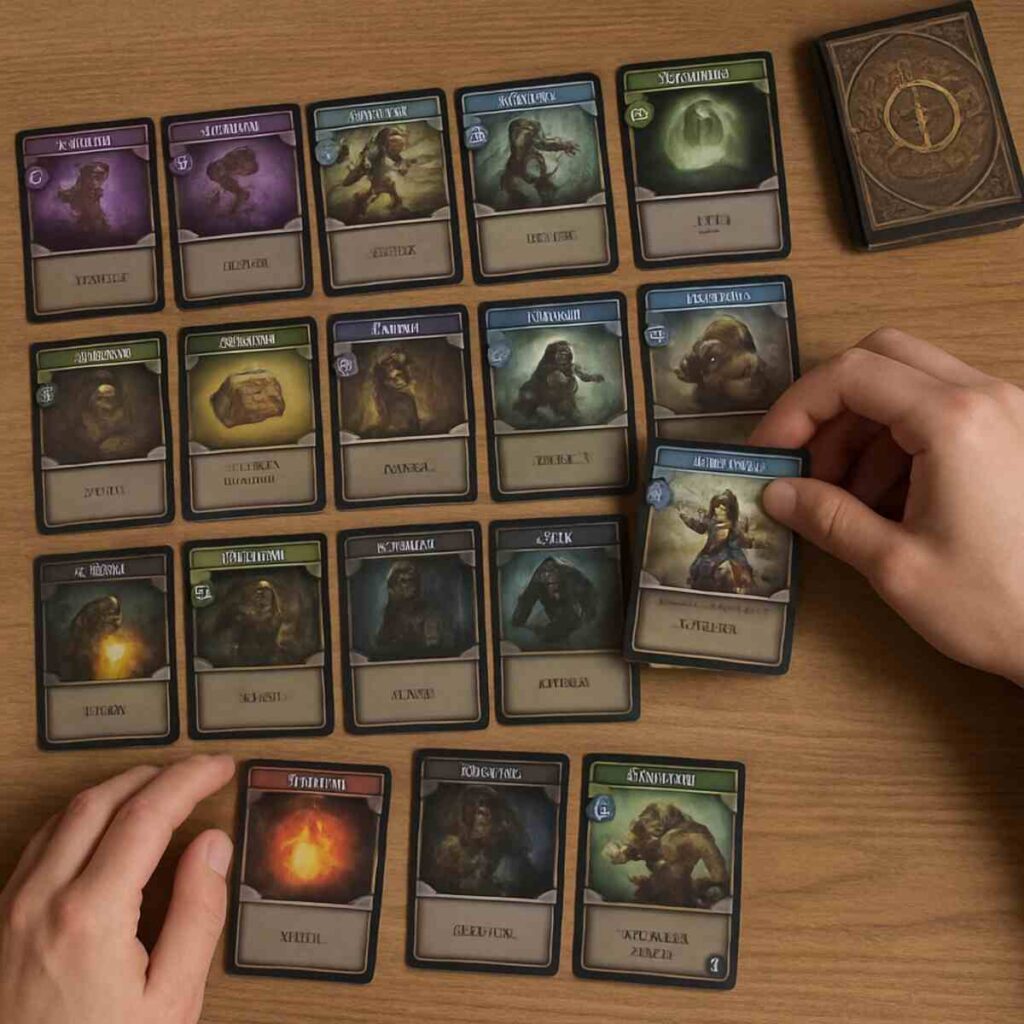
Embarking on your DBG journey involves understanding the basic setup and flow of a typical game. Here’s a step-by-step guide to help you get started:
Setting Up the Game
- Select a Game: Choose a DBG game that suits your thematic preferences and complexity level. Popular choices include “Dominion,” “Ascension,” and “Star Realms.” Each game offers a unique twist on the core mechanics, allowing you to find a game that resonates with your interests.
- Prepare the Game Board: Arrange the central game board or play area, which typically includes the card market, draw pile, and discard pile. This setup is crucial as it dictates the flow of the game and the strategic options available to players.
- Distribute Starting Decks: Each player begins with a standard starting deck, usually consisting of a mix of low-value cards. This starting deck serves as the foundation for your strategy, and understanding its strengths and limitations is key to early success.
- Set Up the Card Market: Populate the market with available cards that players can purchase during the game. The composition of the market can significantly influence the direction of the game, offering opportunities and challenges that players must navigate.
- Establish Game Objectives: Clarify the win conditions and any specific rules or scenarios that might affect gameplay. Knowing what you’re aiming for can help shape your strategy from the outset.
Understanding Turn Structure
A typical turn in a DBG game consists of the following phases:
- Draw Phase: Players draw a specified number of cards from their personal deck. This phase sets the tone for the turn, as the cards you draw will determine your available actions and strategies.
- Action Phase: Players may play action cards to execute specific abilities or effects. This phase is where strategic depth comes into play, as you’ll need to decide which actions will best advance your goals.
- Buy Phase: Using resources generated, players can purchase new cards from the market. This phase is critical for deck development, as it allows you to acquire new tools and options for future turns.
- Cleanup Phase: Played and acquired cards are moved to the discard pile, and players prepare for the next turn. Managing your discard pile effectively can influence your deck’s efficiency and your overall strategy.
- Strategic Reflection: After each turn, take a moment to reflect on your strategy and the evolving game state. This can help you adapt and refine your approach as the game progresses.
Strategic Tips for Beginners
- Balance is Key: Avoid the temptation to acquire too many cards; focus on a streamlined deck that synergizes well. A balanced deck allows for more consistent draws and effective execution of strategies.
- Adaptability: Be prepared to alter your strategy based on the evolving game state and your opponents’ actions. Flexibility is crucial, as rigid strategies can falter in the face of unexpected developments.
- Resource Optimization: Maximize the use of resources each turn to maintain a competitive edge. Efficient resource management can lead to explosive turns that significantly boost your position.
- Card Synergy: Pay attention to how different cards interact and build combinations that enhance your strategy. Synergistic decks can create powerful combos that dominate the game.
- Observe Opponents: Keep an eye on your opponents’ moves and strategies, adjusting your approach to counter their tactics. This awareness can prevent opponents from gaining an upper hand and open opportunities for you.
Exploring Popular DBG Games
The DBG landscape is rich with diverse titles, each offering unique experiences and challenges. Here’s a look at some popular options to consider:
Dominion
As the pioneer of the genre, “Dominion” is a must-try for any DBG enthusiast. Its straightforward mechanics and strategic depth make it an ideal starting point for beginners. Dominion’s elegant design showcases the core principles of deck-building while offering a variety of expansion sets to keep the gameplay fresh and exciting.
Dominion’s appeal lies in its simplicity and the wide range of strategies it supports. Players can experiment with different card combinations and strategies, leading to a diverse and dynamic gameplay experience. The game’s numerous expansions further enrich the experience, introducing new mechanics and themes that enhance replayability.
The game’s modular setup allows players to tailor the experience to their preferences, ensuring that no two games are alike. Whether you prefer a fast-paced, aggressive strategy or a more calculated, long-term approach, Dominion offers the tools and flexibility to pursue your preferred play style.
Ascension
“Ascension” introduces a dynamic card market that evolves during the game, requiring players to adapt their strategies continuously. Its accessible ruleset and engaging gameplay make it a favorite among DBG fans. The game’s evolving market keeps players on their toes, as new opportunities and challenges arise with each turn.
Ascension’s unique mechanics encourage players to be adaptable and strategic, balancing immediate needs with long-term goals. The game’s art and thematic elements add to the immersive experience, drawing players into a rich world of fantasy and adventure.
The game’s cooperative and competitive elements blend seamlessly, offering a versatile experience that can be enjoyed by players of all skill levels. Whether playing solo or with friends, Ascension provides a satisfying and strategic journey that rewards thoughtful play.
Star Realms
For those interested in a sci-fi theme, “Star Realms” offers a fast-paced, tactical experience. Its head-to-head competitive play is perfect for those seeking intense strategic battles. The game’s streamlined mechanics allow for quick gameplay, making it an excellent choice for short sessions or on-the-go play.
Star Realms’ deck-building mechanics are complemented by its engaging combat system, where players must balance resource acquisition with strategic attacks. This blend of strategy and action creates an exciting and dynamic experience that keeps players engaged from start to finish.
The game’s expansions and variants offer additional layers of strategy and complexity, allowing players to tailor their experience to their preferences. Whether you enjoy building powerful fleets or executing precise tactical maneuvers, Star Realms delivers a thrilling and satisfying experience.
Legendary: A Marvel Deck Building Game
Combining the DBG format with the beloved Marvel universe, “Legendary” allows players to team up against iconic villains, adding a cooperative element to the traditional DBG structure. The game’s thematic elements and cooperative mechanics create an immersive experience that appeals to fans of the Marvel universe and DBG enthusiasts alike.
Legendary’s cooperative gameplay encourages teamwork and strategic planning, as players must work together to defeat powerful villains and complete challenging scenarios. The game’s modular setup allows for endless replayability, with different heroes, villains, and scenarios offering new challenges and opportunities.
The game’s rich thematic elements and diverse gameplay options make it a standout title in the DBG genre. Whether you’re a Marvel fan or a strategic gamer, Legendary offers a compelling and engaging experience that combines the best of both worlds.
Advanced Strategies and Considerations
Once you’ve mastered the basics, consider these advanced strategies to elevate your gameplay:
Synergy and Combo Building
Focus on acquiring cards that complement each other, creating powerful combinations that can turn the tide in your favor. Building a synergistic deck requires foresight and planning, as you’ll need to identify cards that work well together and align with your overall strategy.
Experiment with different card combinations and strategies to discover new and effective synergies. The flexibility of DBG games allows for endless possibilities, encouraging players to think creatively and strategically about their deck composition.
Understanding the potential interactions between cards can help you create devastating combos that maximize your strategic potential. As you become more familiar with the game, you’ll develop an intuition for identifying and exploiting powerful synergies.
Anticipating Opponent Moves
Pay attention to your opponents’ strategies and adjust your own tactics to counteract their plans effectively. Observing your opponents’ actions and card choices can provide valuable insights into their strategies and intentions.
Use this information to anticipate their moves and disrupt their plans, whether by denying them key cards or executing strategic counters. Being proactive and adaptable can give you a significant advantage, allowing you to stay one step ahead of your opponents.
Developing the ability to read and predict your opponents’ strategies is a key skill that can elevate your gameplay. As you gain experience, you’ll become more adept at identifying opportunities and threats, allowing you to make informed and strategic decisions.
Deck Cycling and Culling
Efficiently cycling through your deck and removing less useful cards can significantly enhance your strategic potential, allowing you to access your most powerful cards more frequently. Deck cycling involves managing the flow of your cards to ensure that you can consistently draw and play your best cards.
Culling, or removing less useful cards from your deck, helps streamline your strategy and increase the efficiency of your draws. This process requires careful consideration of which cards to keep and which to remove, balancing short-term needs with long-term goals.
Mastering deck cycling and culling can lead to more consistent and effective gameplay, as you’ll have greater control over your deck’s composition and performance. By focusing on these advanced techniques, you can refine your strategy and achieve greater success in DBG games.
Conclusion
DBG games offer a rich, strategic experience that challenges players to think critically and adapt to an ever-changing game environment. By understanding the core mechanics, exploring popular titles, and applying strategic insights, you’ll be well-equipped to enjoy and excel in the world of DBG games. Whether you’re seeking solo challenges or competitive multiplayer sessions, the DBG genre promises endless hours of engaging gameplay. Embrace the challenge and immerse yourself in the captivating world of deck-building games. With practice and experience, you’ll discover new strategies and approaches that will enhance your enjoyment and mastery of this dynamic genre.
